September 29, 2026
Food has always been a universal language, but few culinary traditions speak quite as clearly or as warmly as the dishes that originate from the Mediterranean boot. When people think of gathering around a table for a deeply satisfying meal, their minds often wander straight to the rich, comforting aromas of garlic, tomatoes, and fresh herbs. The global love affair with these flavors goes far beyond simple appreciation. Over time, Italian cuisine has woven itself into the very fabric of how people eat, celebrate, and connect with one another across the world. From the simplest neighborhood cafes to the most celebrated dining establishments, the principles of this cooking style have set a standard for what good food should be. It is not just about the recipes themselves, but the philosophy behind them. The insistence on fresh ingredients, the patience required for a slow-simmered sauce, and the joy of sharing a meal are all lessons the rest of the world has eagerly absorbed. As we look at the culinary landscape today, it is clear that the impact of these culinary traditions remains as strong as ever.
Shaping Fine Dining Traditions
For a long time, the highest levels of the culinary world were dominated by intricate, highly complicated techniques. However, as international palates evolved, so did the appreciation for a different kind of mastery. Chefs around the globe began to recognize that creating a memorable dish does not always require endless steps or obscure ingredients. Instead, they looked to the core tenets of Italian cuisine, which championed the idea that less is often more. By focusing on the absolute best seasonal produce, high-quality olive oils, and perfectly prepared pastas, high-end restaurants started to shift their menus. They realized that a perfectly roasted vegetable or a beautifully balanced sauce could stand on its own without unnecessary embellishments. This respect for the raw ingredients transformed what it meant to dine out at a fancy establishment. Now, chefs everywhere prioritize sourcing locally and letting the natural flavors shine, a direct nod to the rustic yet refined roots of Mediterranean cooking. This shift has democratized fine dining in a way, making it less about pretense and more about pure, unadulterated flavor. It takes true confidence for a chef to serve a dish with just a handful of components, and that confidence was born from watching generations of cooks create magic with little more than flour, water, tomatoes, and herbs. The influence is unmistakable in the way modern chefs approach their craft today.
Inspiring Everyday Home Cooking
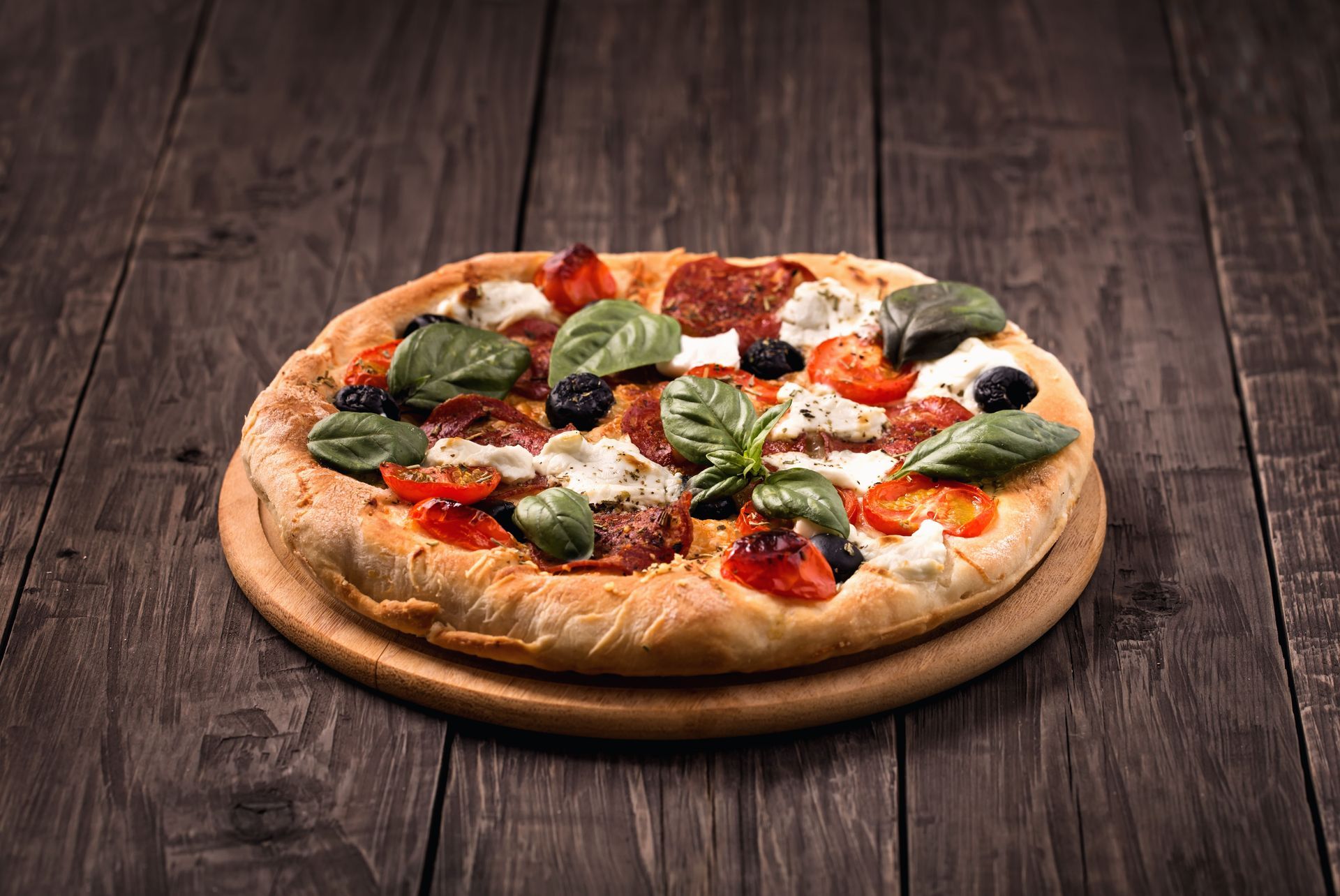
While the impact on professional kitchens is undeniable, the true testament to the reach of Italian cuisine lies in everyday homes. Open almost any pantry in the world, and you will likely find staples that originated in the Mediterranean. Dried pasta, canned tomatoes, olive oil, and dried oregano have become global necessities. For busy families and amateur cooks, these ingredients offer a reliable foundation for countless meals. The brilliance of this culinary style is how accessible it makes cooking from scratch. You do not need formal training to boil pasta and toss it with garlic, oil, and cheese. This ease of preparation has empowered people who might otherwise feel intimidated by cooking to step into the kitchen and prepare meals for their families. Furthermore, the philosophy of using whatever is fresh and available has encouraged home cooks to be resourceful. Instead of strictly following rigid recipes, people have learned to adapt, throwing seasonal vegetables or leftover meats into a bubbling pot of tomato sauce. This intuitive way of cooking brings a sense of freedom and joy to daily meal preparation. It turns the chore of making dinner into a relaxing ritual. As more people seek out meals that are both nourishing and deeply satisfying, they continually return to these time-honored methods that prioritize warmth, simplicity, and flavor over unnecessary complexity.
Elevating Comfort Food Standards
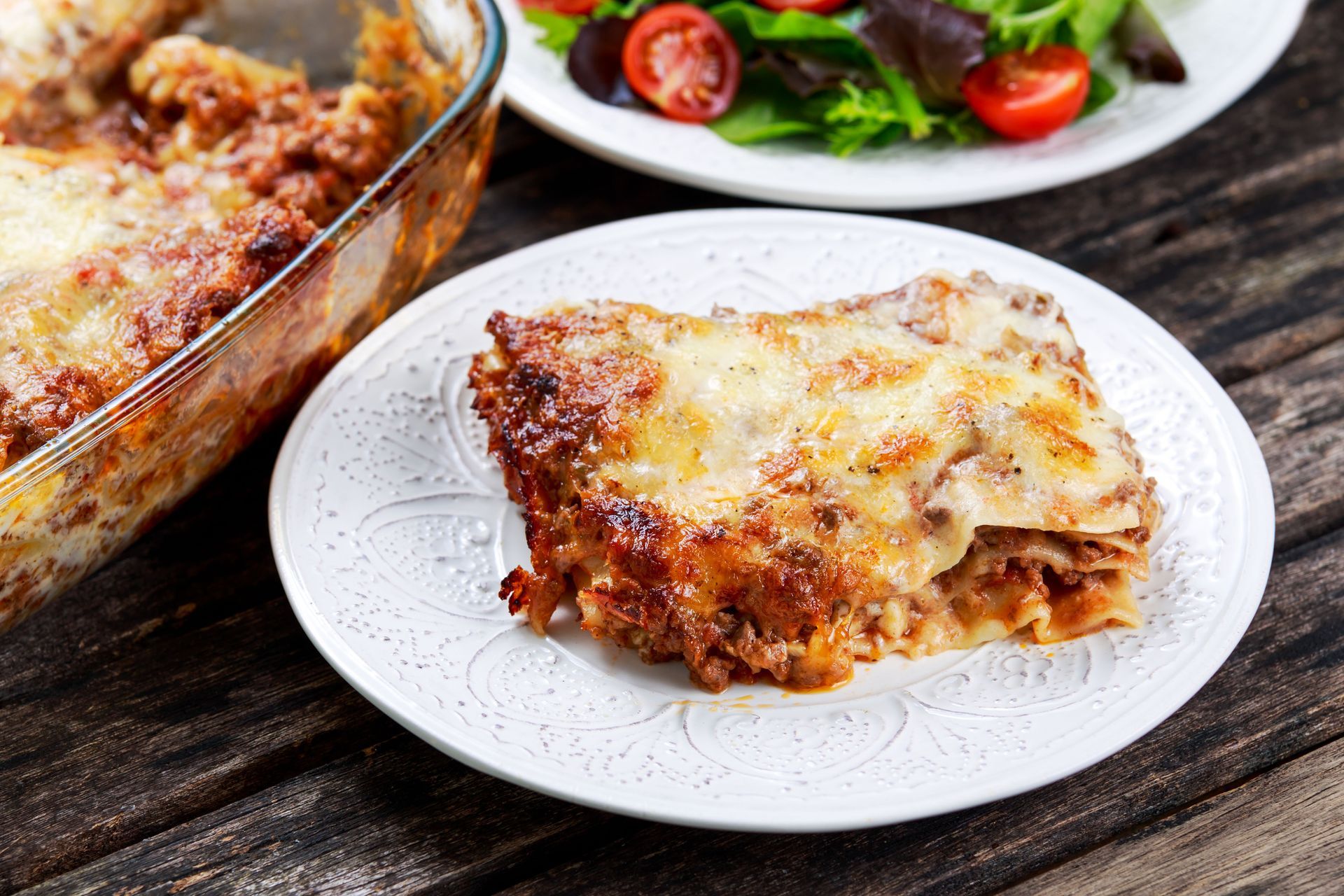
When we think of comfort food, we imagine dishes that wrap us in a metaphorical blanket, offering warmth and satisfaction after a long day. Across diverse cultures, the ultimate comfort foods often trace their lineage back to the hearty, soul-warming dishes of the Italian peninsula. The global appeal of a bubbling, cheese-topped casserole or a warm, crusty piece of bread dipped in a rich broth cannot be overstated. These meals provide more than just physical nourishment; they offer emotional solace. The genius of Italian cuisine is how it elevates these basic comforts into something universally cherished. A bowl of perfectly cooked noodles coated in a rich, slow-cooked meat sauce has become a go-to remedy for a bad mood or a chilly evening almost everywhere in the world. Even in regions with their own rich culinary histories, people often turn to these Mediterranean staples when they crave something familiar and forgiving. The textures and flavors—creamy cheeses, robust garlic, earthy mushrooms, and sweet basil—hit all the right sensory notes. They trigger a sense of nostalgia and safety, even for those who did not grow up eating them. This widespread reliance on these specific flavor profiles proves that the desire for hearty, unpretentious food is a shared human trait. By providing a template for what comforting, satisfying food should look and taste like, these culinary traditions have forever raised the bar for comfort food globally.
Embracing Diverse Global Tastes
One of the most remarkable aspects of any truly influential culture is its ability to adapt and thrive in new environments. As people traveled and emigrated, they brought their cherished recipes with them, sharing them with new neighbors and communities. Over time, these classic dishes began to evolve, absorbing the local flavors, ingredients, and preferences of their new homes. This flexibility is a key reason why Italian cuisine has achieved such widespread dominance. Rather than remaining rigid, the recipes bent to accommodate local palates. According to Deloitte's Foodservice Market Monitor, the United States and China account for more than 65% of global consumption of
Italian cuisine outside Italy. This staggering reach highlights how successfully these dishes have integrated into completely different cultural landscapes. In some places, the sauces became sweeter or spicier to match regional preferences. In others, local vegetables and proteins were seamlessly swapped into classic pasta bakes and flatbread. This constant evolution has kept the food relevant and exciting. It also means that people all over the world feel a sense of ownership over these dishes. They have become local favorites, deeply ingrained in the weekly routines of countless households far beyond the Mediterranean. The ability to maintain a distinct culinary identity while simultaneously blending into diverse global food scenes is a rare and powerful phenomenon that guarantees these traditions will never fade into obscurity.
The lasting legacy of these incredible flavors is visible in almost every community, grocery store, and restaurant across the globe. From the way chefs approach ingredient sourcing to the way busy parents quickly pull together a satisfying weekday meal, the principles of this cooking style continue to shape our daily lives. We have learned to value simplicity, prioritize freshness, and use food as a tool to bring people closer together. Whether you are enjoying a casual dinner at home or dining out with friends, the impact of these culinary traditions is always present, offering comfort and inspiration in every bite. If you are craving an authentic, carefully crafted meal that honors these timeless techniques, experience the rich flavors for yourself. Contact Vincenzo's Ristorante today to learn more about our menu and reserve your table for an unforgettable dining experience.